
Baby Led Weaning: Complete Guide to Healthy Feeding
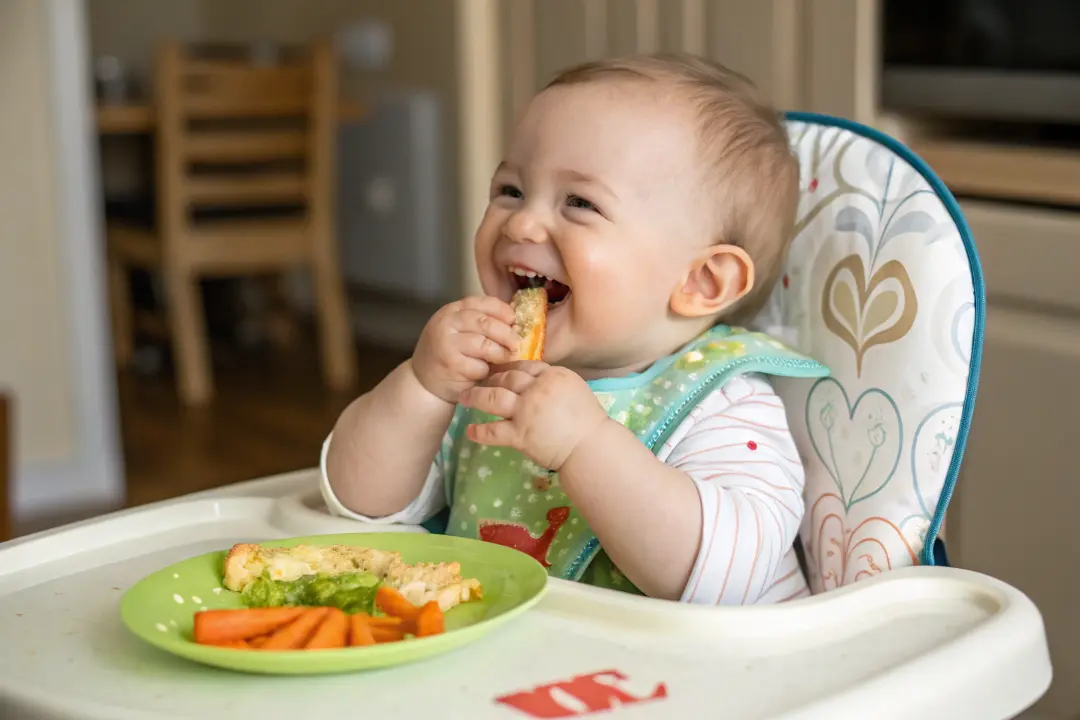
What Is Baby Led Weaning?
Baby Led Weaning (BLW) is a complementary feeding method that allows babies to explore and eat solid foods by themselves from the start of complementary feeding, around 6 months of age.
Benefits of BLW
- Development of fine motor skills
- Better acceptance of different textures and flavors
- Promotion of healthy eating habits
- Greater autonomy and confidence for the baby
- Better appetite self-regulation
Safety Tips
Golden BLW Rules
- Never leave your baby eating alone without supervision
- The baby must be seated upright and stable
- Avoid hard, small, or round foods
- Offer foods in stick-like shapes
- Know the signs of choking
Recommended Foods
First Foods
- Cooked carrot
- Steamed broccoli
- Boiled potato
- Roasted pumpkin
Proteins
- Shredded chicken
- Boneless fish
- Scrambled egg
- Cooked lentils
Practical Tips and Tricks
Food Preparation
Cut foods into stick-like pieces about the size of the baby's fist to make gripping easier.
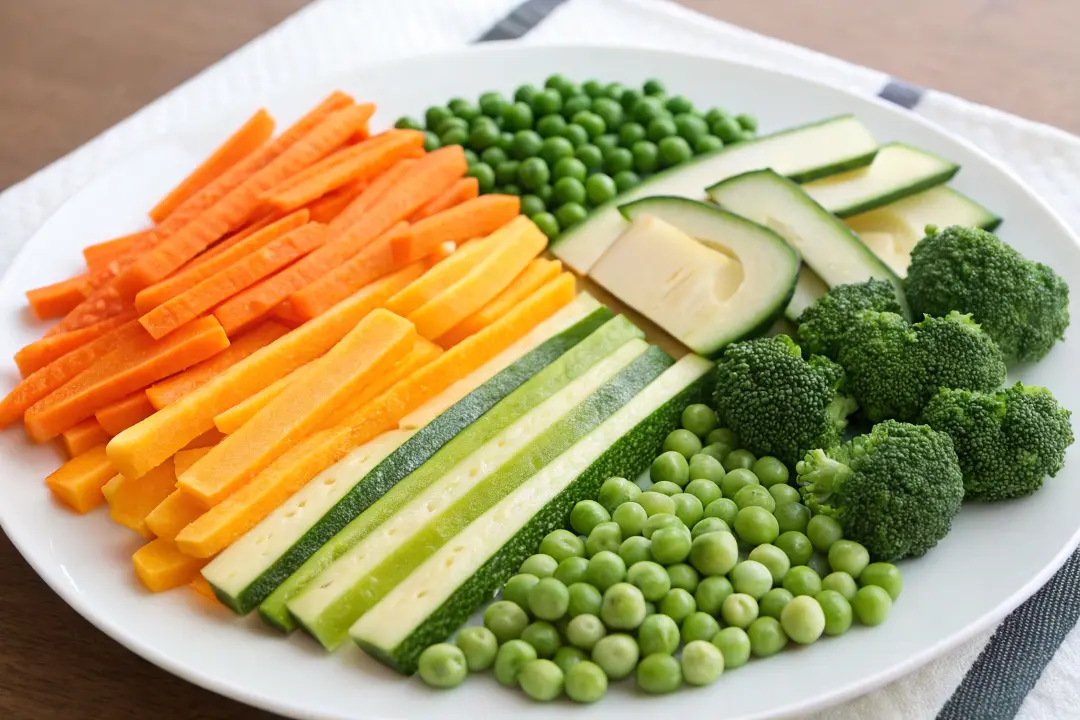
As shown in the image, foods should be large enough for the baby to hold easily and cooked until soft enough to mash with their gums. Peas, for example, should be well cooked so they mash easily, and it is recommended to wait until 12 months before offering them.
Cleaning
Place a plastic mat or newspapers under the baby's high chair to make cleanup easier.
Patience
Every baby has their own pace. Do not worry if at first they play with food more than they eat it.
Signs Your Baby Is Ready
- Can sit up without support
- Shows interest in food
- Has lost the tongue-thrust reflex (does not push solids out with the tongue)
- Has good hand-mouth coordination and can bring objects to the mouth
- It is recommended that the baby is at least 6 months old
Common Myths About BLW
Myth: BLW is dangerous
Reality: With proper precautions and supervision, BLW is as safe as traditional feeding.
Myth: Babies do not eat enough
Reality: Breast milk or formula remains the main source of nutrition until one year of age.