
Complementary Feeding: Complete Guide for Parents

What Is Complementary Feeding?
Complementary feeding is the process of introducing solid foods into a baby's diet while continuing breast milk or formula. This usually starts around 6 months of age, when the baby is ready for foods other than milk.
Signs Your Baby Is Ready
- Can sit up without support
- Shows interest in food
- Has lost the tongue-thrust reflex
- Is at least 6 months old
- Can move food from the front to the back of the mouth
Recommended First Foods
Vegetables
- Cooked carrot
- Pumpkin
- Potato
- Broccoli
Fruits
- Banana
- Pear
- Apple
- Mango
How to Introduce Foods
Texture Progression
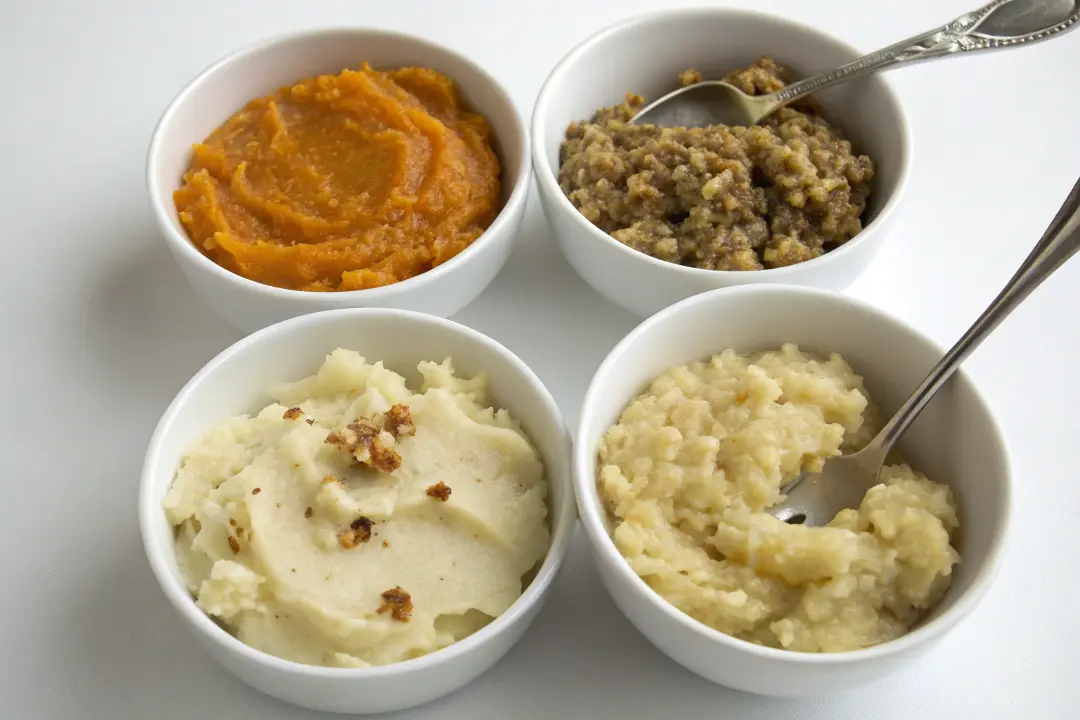
Start with smooth purees and gradually increase texture:
- Very smooth purees (6-7 months)
- Purees with tiny chunks (7-8 months)
- Foods mashed with a fork (8-9 months)
- Foods in small pieces (9-12 months)
Common Problems and Solutions
Food Rejection
It is normal for babies to reject some foods at first. Offer the same food multiple times in different preparations.
Constipation
Include fiber-rich foods like fruits and vegetables and keep your baby well hydrated.
Food Allergies
Introduce potentially allergenic foods one by one, several days apart, and observe any reactions.
Practical Tips and Tricks
Food Preparation
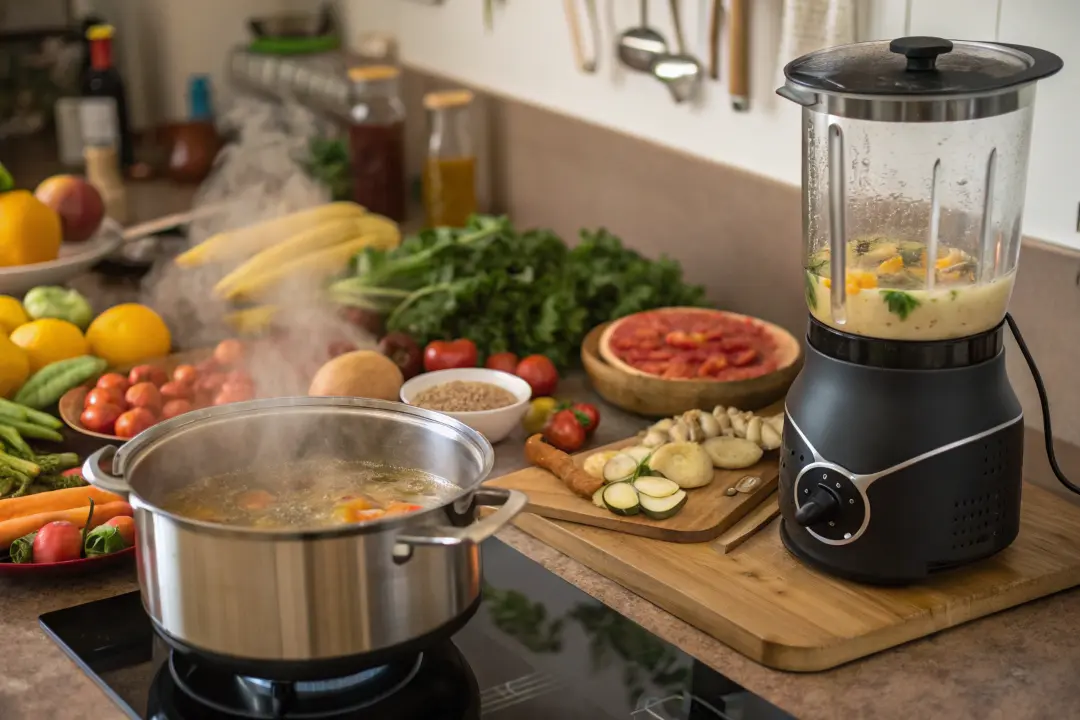
Steam or boil vegetables to preserve nutrients. Use a food processor or blender to achieve the desired texture.
Storage
Prepare individual portions and freeze them in ice cube trays or small containers. Label with date and contents.
Portions
Start with small amounts (1-2 tablespoons) and increase gradually according to your baby's appetite.
Common Myths
Myth: You must start with cereals
Reality: There is no specific order for introducing foods. You can offer vegetables, fruits, or cereals based on family preferences.
Myth: Babies need salt and sugar
Reality: Babies do not need added salt or sugar. Their taste buds are more sensitive and they can enjoy natural flavors.
Simple Recipes by Age
6-7 Months: First Purees
Pumpkin Puree
- 1/2 cup peeled and diced pumpkin
- 1/4 cup water or breast milk
Steam the pumpkin until tender. Blend with water or milk until smooth.
Apple Puree
- 1 peeled and cored apple
- 1/4 cup water
Steam the apple until soft. Blend with water until smooth.
8-9 Months: Combinations and Textures
Chicken and Vegetable Puree
- 1/2 cup cooked and shredded chicken
- 1/4 cup cooked carrot
- 1/4 cup cooked potato
- 1/4 cup chicken broth (no salt)
Mix all ingredients and blend until you get a texture with small chunks.
Mixed Fruit Puree
- 1/2 ripe banana
- 1/4 cup cooked pear
- 1/4 cup ripe mango
Mix fruits and blend lightly, leaving a few small pieces.
10-12 Months: More Complex Meals
Mini Vegetable Omelet
- 1 egg
- 1 tablespoon grated carrot
- 1 tablespoon grated zucchini
- 1 tablespoon mild grated cheese
Mix all ingredients and cook in a non-stick pan until set. Cut into small pieces.
Rice with Chicken and Vegetables
- 1/4 cup cooked rice
- 1/4 cup cooked and shredded chicken
- 1/4 cup cooked mixed vegetables (carrot, peas, zucchini)
- 1 tablespoon olive oil
Mix all ingredients and serve in small pieces your baby can pick up.
Recipe Tips
- Do not add salt or sugar to recipes
- Use fresh, seasonal ingredients
- Wash all ingredients thoroughly before cooking
- Test food temperature before serving your baby
- Introduce one new food every 3-4 days to detect possible allergies